Deadheading 101: Why It Keeps Your Flowers Blooming
There’s nothing quite like a garden bursting with colorful blooms all summer long. If you've ever wondered how some gardeners keep their flowers looking fresh week after week, one of their best-kept secrets is surprisingly simple: deadheading.
Don't let the name fool you, deadheading is one of the easiest gardening tasks you can do, and it can make a big difference in the health and appearance of many flowering plants.
What Is Deadheading?
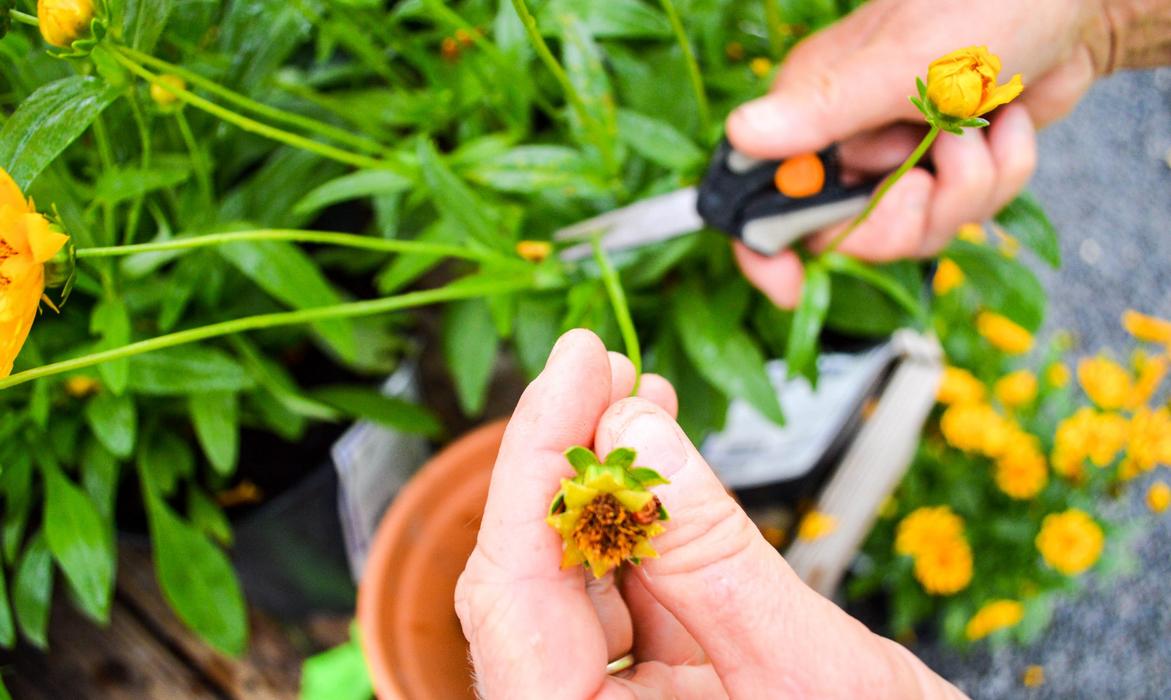
Deadheading is the process of removing spent or faded flowers from a plant. Once a flower has finished blooming, the plant naturally begins putting its energy into producing seeds. By removing those old blooms before seeds form, you encourage many plants to redirect that energy into producing new flowers instead.
The result? More blooms, a tidier garden, and healthier-looking plants throughout the growing season.
Benefits of Deadheading
More Flowers
Many annuals and perennials respond to deadheading by producing more buds and extending their blooming season. With regular maintenance, you'll often enjoy colorful flowers for weeks—or even months—longer.
Healthier Plants
Removing faded flowers helps plants conserve energy. Instead of focusing on seed production, they can invest that energy into stronger roots, healthier foliage, and new blooms.
A Neater Appearance
Dead flowers can make even the healthiest garden look tired. Deadheading instantly freshens up flower beds, hanging baskets, and containers, giving your landscape a well-maintained appearance.
Fewer Problems
Old blooms can sometimes trap moisture or become a place for diseases and pests to develop. Keeping plants cleaned up improves air circulation and helps reduce the chance of common garden issues.
Which Plants Should You Deadhead?
Many popular summer flowers benefit from regular deadheading, including:
- Petunias
- Geraniums
- Zinnias
- Marigolds
- Coneflowers
- Black-eyed Susans
- Salvia
- Blanket Flower (Gaillardia)
- Cosmos
- Shasta Daisies
Some newer plant varieties are bred to be "self-cleaning," meaning they naturally drop old blooms without much help. If you're unsure whether a plant needs deadheading, stop by our garden center—we're always happy to help!
How to Deadhead
Deadheading is quick and requires only a few minutes.
- Find the faded flower.
- Follow the flower stem down to the first set of healthy leaves or a new flower bud.
- Using your fingers or clean pruning shears, snip the stem just above that point.
- Continue checking your plants every few days during peak blooming season.
For plants with many tiny flowers, lightly trimming the entire plant after a flush of blooms can encourage another round of flowering.
When Should You Deadhead?
The best time to deadhead is whenever you notice flowers beginning to fade. During the summer, checking your containers, hanging baskets, and flower beds once or twice a week is usually enough to keep plants looking their best.
Morning or evening is often the most comfortable time to work in the garden, especially during hot weather.