Garden Planning 101: What to Do in Winter for a Successful Growing Season
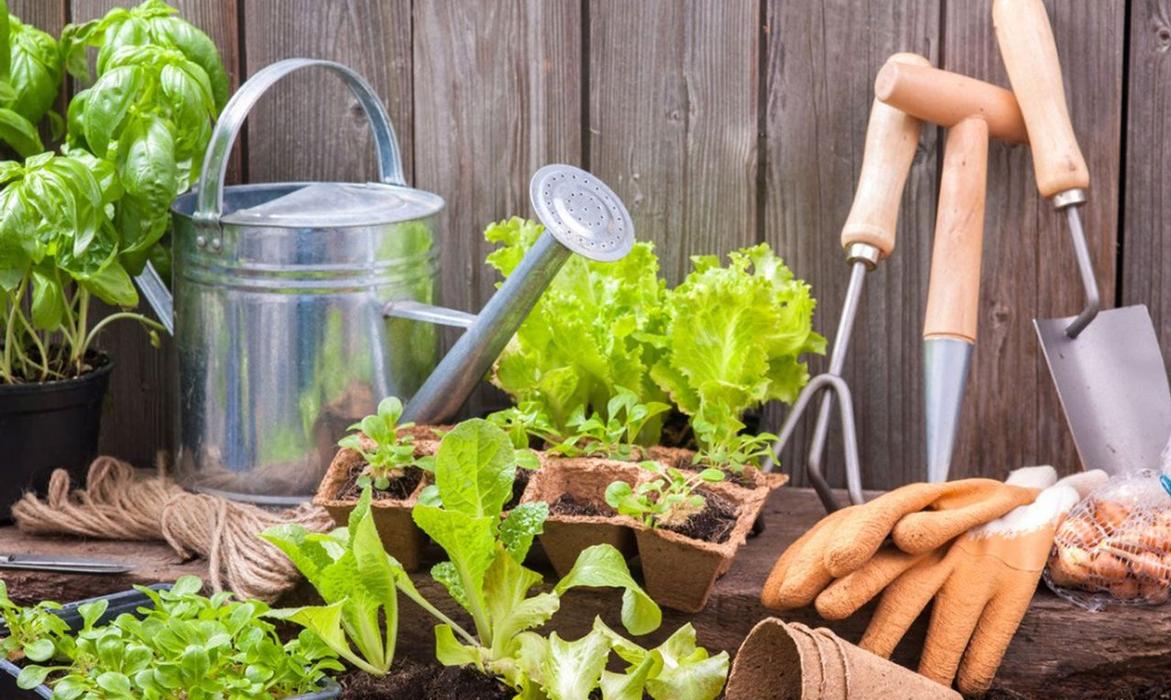
January might feel like the quietest month in the garden, but it’s actually one of the most important times of the year for planning. What you do now sets the foundation for a healthier, more productive, and less stressful growing season later on.
Whether you’re a seasoned gardener or just getting started, here’s how to make the most of January and give your garden a strong head start.
1: Reflect on Last Year’s Garden
Before jumping into new plans, take a moment to look back.
-
What plants thrived?
-
What struggled or failed?
-
Did pests, disease, or poor soil cause issues?
Jotting down notes now helps you avoid repeating the same problems and improves your success this year.
2: Plan Your Garden Layout
January is perfect for garden design because there’s no pressure to plant yet.
-
Decide where vegetables, flowers, shrubs, or contaiers will go
-
Practice crop rotation to reduce pests and disease
-
Consider sun exposure, spacing, and access to water
A simple sketch on paper (or a garden planning app) can save time and frustration in spring.
3: Start Indoor Growing (If Appropriate)
Depending on your region, January can be a great time to:
-
Start slow-growing plants indoors
-
Grow herbs or leafy greens inside
-
Set up seed-starting supplies and grow lights
Even if it’s too early to plant, now is the time to prepare trays, soil, and equipment.
4: Check Trees, Shrubs & Perennials
Winter is ideal for observation.
-
Look for damaged branches that may need pruning
-
Check for signs of disease or pest activity
-
Make note of plants that may need replacing in spring
Proper winter care now can prevent bigger problems later.
5: Clean & Organize Tools
A little maintenance goes a long way.
-
Clean soil and rust off tools
-
Sharpen pruners and blades
-
Replace broken handles or worn-out equipment
Well-maintained tools make gardening easier and healthier for your plants.
6: Test & Improve Your Soil
Healthy soil = healthy plants.
-
Consider a soil test to check nutrients and pH
-
Plan which beds need compost or amendments
-
Stock up on soil conditioners before spring rush
Improving soil in winter gives it time to settle and balance.
7: Create a Garden Calendar
Mapping out your season keeps things manageable.
-
Note seed-starting dates
-
Schedule planting times
-
Plan fertilizing and maintenance reminders
Having a calendar reduces overwhelm and keeps your garden on track.
8: Set Realistic Goals
It’s tempting to do everything at once, but successful gardens grow with intention.
-
Start small if you’re new
-
Focus on plants you enjoy using or eating
-
Leave room for learning and flexibility
Gardening should be rewarding, not stressful.