How to Keep Your Houseplants Happy in Winter
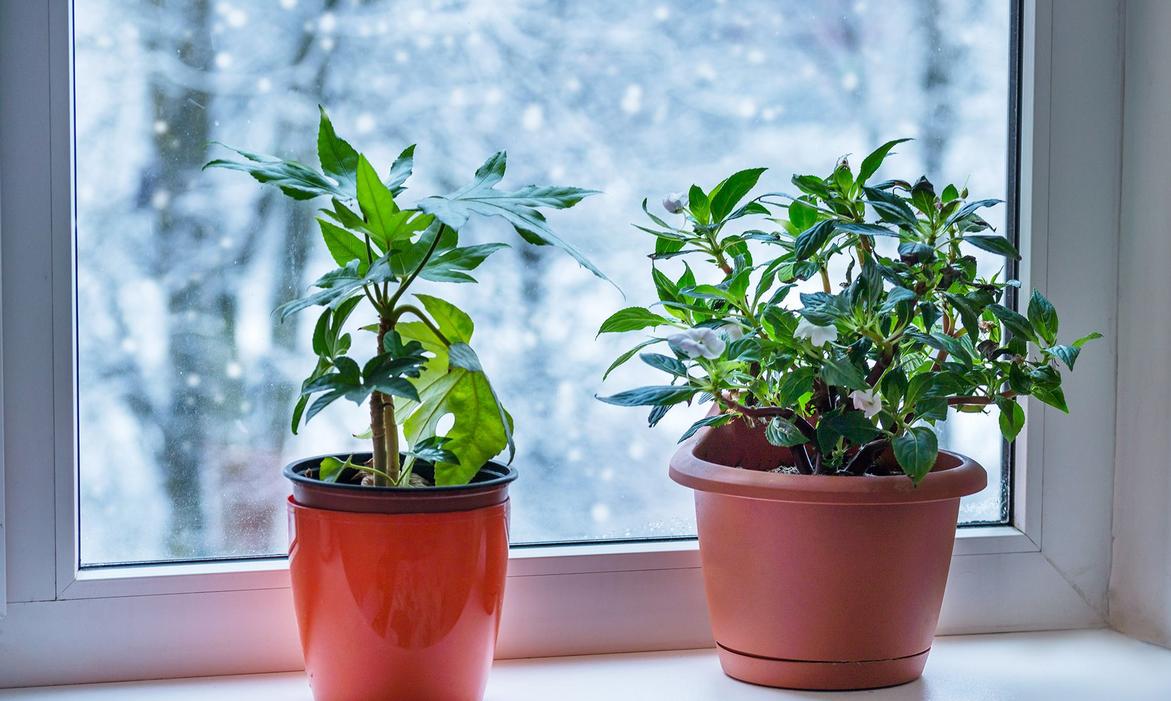
Winter can be a challenging season for houseplants. Shorter days, cooler temperatures, and dry indoor air can all take a toll on plants that were thriving just months before. The good news? With a few simple adjustments, you can help your houseplants not just survive winter—but stay healthy and happy until spring.
1. Make the Most of Available Light
As daylight hours decrease, light becomes the number one limiting factor for houseplants in winter.
-
Move plants closer to windows, especially south- or west-facing ones.
-
Rotate plants every couple of weeks so they grow evenly.
-
Keep windows clean to maximize light penetration.
-
If natural light is very limited, consider using a grow light to supplement.
Tip: If a plant starts leaning or growing leggy, it’s usually asking for more light.
2. Adjust Your Watering Routine
Most houseplants slow their growth in winter, which means they need less water.
-
Always check the soil before watering—don’t rely on a set schedule.
-
Water only when the top inch or two of soil is dry (unless the plant prefers consistently moist soil).
-
Empty saucers after watering to prevent root rot.
Overwatering is one of the most common winter houseplant mistakes, so when in doubt, wait a few more days.
3. Increase Humidity
Indoor heating systems dry out the air, which many houseplants don’t appreciate—especially tropical varieties.
-
Group plants together to create a more humid microclimate.
-
Use a humidifier in rooms with lots of plants.
-
Place plants on trays filled with pebbles and water (making sure pots aren’t sitting directly in water).
Plants like ferns, calatheas, and orchids will thank you for the extra moisture.
4. Watch the Temperature
Houseplants prefer stable temperatures.
-
Keep plants away from cold drafts, doors, and leaky windows.
-
Avoid placing plants near heat vents, radiators, or fireplaces.
-
Most houseplants are happiest between 65–75°F during the day.
Sudden temperature swings can cause leaf drop or stress, even if the plant looks fine at first.
5. Pause on Fertilizing
Since most houseplants aren’t actively growing in winter, fertilizing isn’t usually necessary.
-
Stop fertilizing until early spring when new growth appears.
-
Feeding during dormancy can lead to salt buildup and root damage.
Once days get longer, you can gradually reintroduce fertilizer.
6. Keep an Eye Out for Pests
Winter-stressed plants are more vulnerable to pests like spider mites, aphids, and mealybugs.
-
Inspect leaves regularly, especially undersides.
-
Remove dust from leaves with a damp cloth—this helps plants photosynthesize better and deters pests.
-
Address issues early with insecticidal soap or neem oil if needed.
7. Accept a Little Winter Rest
Some leaf yellowing or slowed growth is completely normal in winter. Not every plant will look its best during this season—and that’s okay.
Think of winter as a rest period. With proper care now, your houseplants will be ready to burst back into growth when spring arrives.